
Running a Sex Offender Check in Allegheny County
The official starting point is the Pennsylvania State Police Megan's Law Public Website. PSP, rather than the Allegheny County clerk, jail, or Pennsylvania Department of Corrections, manages the public registry. Searchers may start with a name or narrow the geography to Allegheny County, a municipality, ZIP code, or address radius. Those paths answer different questions. A name search follows a known person, while an address search supports awareness near a home, school, park, or other location.
Spelling, aliases, recent moves, and update timing can change results. Match more than a name. Compare the public photograph, physical description, aliases, and registration details. A profile indicates that the governing registration statute applies; it is not notice of a new offense. Absence from a radius result cannot guarantee that an area is free of risk.
Allegheny Registry Search Methods
Name and radius searches serve different tasks. Use surname and forename controls when identity is known. Use county, municipality, ZIP, address, and the live radius options when the location matters. PSP may present results in map or list form. The live interface controls the offered distance choices, so do not assume a radius that is not shown.
The Office of Open Records explains Pennsylvania's Right-to-Know Law, a useful reminder that public access follows the rules of the system holding each record.
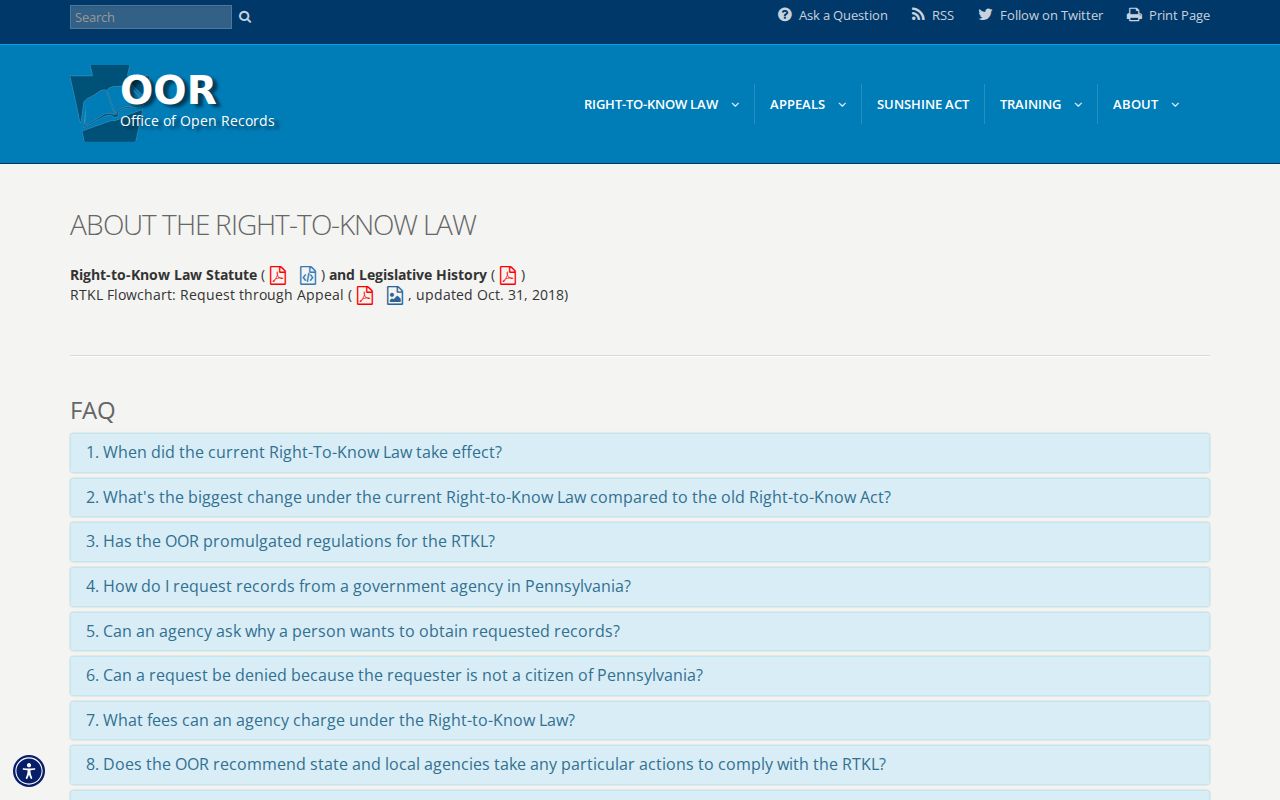
This official overview helps distinguish a general agency-record request from the dedicated PSP registry search.
Searching the Pennsylvania Megan's Law Website
The PSP portal supplies the Pennsylvania details. Keep the search focused and verify the profile before relying on a result.
- Open the registry and read its conditions and safety notice.
- Choose a name search or the county, municipality, ZIP, or address route.
- Compare possible matches using public identifiers and aliases.
- Open the profile and note its status, tier, and update dates.
| Field | Type | Required | Use |
|---|---|---|---|
| Name | Text | Search-dependent | Surname and forename controls |
| County | Dropdown | Optional | Select Allegheny |
| Municipality or ZIP | Text or dropdown | Optional | Narrows local geography |
| Address and radius | Text and dropdown | For radius search | Use distances offered live |
| Map or list | View control | No | Changes result display |
Allegheny Checks Across State Lines
A Pennsylvania search can miss a registration held by another jurisdiction. The U.S. Department of Justice National Sex Offender Public Website provides the official cross-state layer.
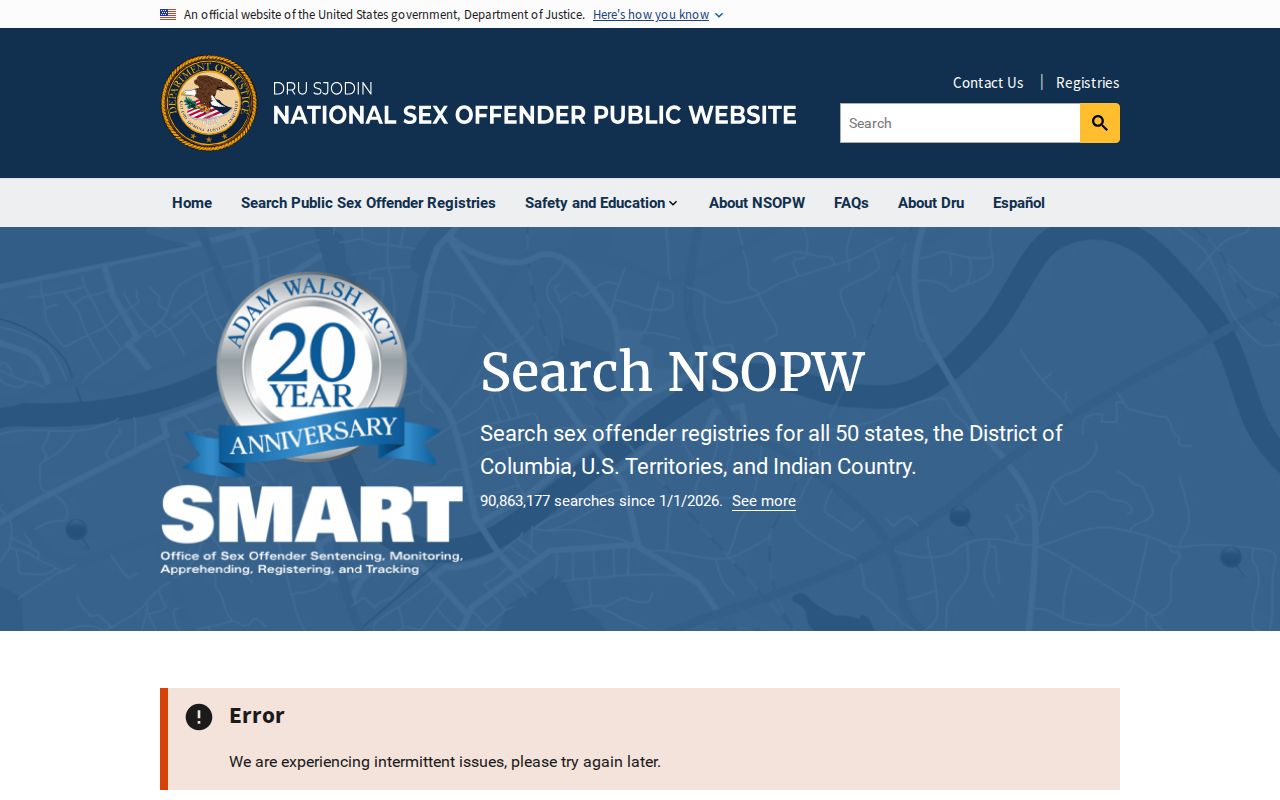
NSOPW broadens geography, but each participating jurisdiction remains the source of its own data. Return to the Pennsylvania profile for state-specific fields and status.
This distinction matters in the Pittsburgh region, where daily travel and household moves may cross county or state lines. Search both systems when the known facts span jurisdictions. Neither source should be treated as a substitute for an emergency call to police.
What an Allegheny Registry Profile Shows
A public profile can identify the listed person and explain why Pennsylvania registration rules apply. It deliberately presents fields, not a full court case file. Pleadings, motions, and the final judgment belong in the court record.
| Name and aliases | Public identity names used to distinguish matches |
|---|---|
| Photo and description | Photograph, height, weight, hair, eyes, and other traits |
| Registered location | Residence or transient status; work and school when public |
| Offense | Statute, conviction or adjudication date, and jurisdiction |
| Classification | Tier or separate statutory designation |
| Status | Compliance, registration, and update or verification dates |
| Other identifiers | Vehicles and scars, marks, or tattoos when public |
Read the conviction jurisdiction and statute precisely. Tier follows statutory offense classification and duration. It is not a personalized forecast of conduct.
Allegheny Registry and Custody Records
The Megan's Law website and the Pennsylvania Inmate/Parolee Locator answer separate questions. The registry shows public registration duties. The DOC locator concerns state custody and parole and updates daily; it does not cover current Allegheny County Jail custody. A person can appear in one system, both, or neither depending on legal status.
When the question is a conviction or sentence, use the UJS docket and the Allegheny County Department of Court Records. When the question is current county custody, use jail channels. This channel discipline prevents a registry classification from being mistaken for current confinement or a new case.
Registration Requirements and Levels in Pennsylvania
Pennsylvania generally uses three SORNA tiers plus separate designations such as Sexually Violent Predator. The statute assigns classifications by covered offense and other legal rules. Tolling, exceptions, juvenile provisions, and out-of-jurisdiction cases can alter a specific duty.
| Classification | General duration | Verification |
|---|---|---|
| Tier I | 15 years | Annually |
| Tier II | 25 years | Semiannually |
| Tier III | Lifetime | Quarterly |
| Sexually Violent Predator | Lifetime | Enhanced statutory duties |
The official statute controls every assignment. Duration does not measure the chance of future conduct, and a searcher should not create a personal risk score from the tier label.
Pennsylvania Registry Law and Access
The official PSP site identifies Pennsylvania criminal-history statutes alongside the registry's separate authority under 42 Pa.C.S. §§ 9799.32(1) and 9799.67(1).
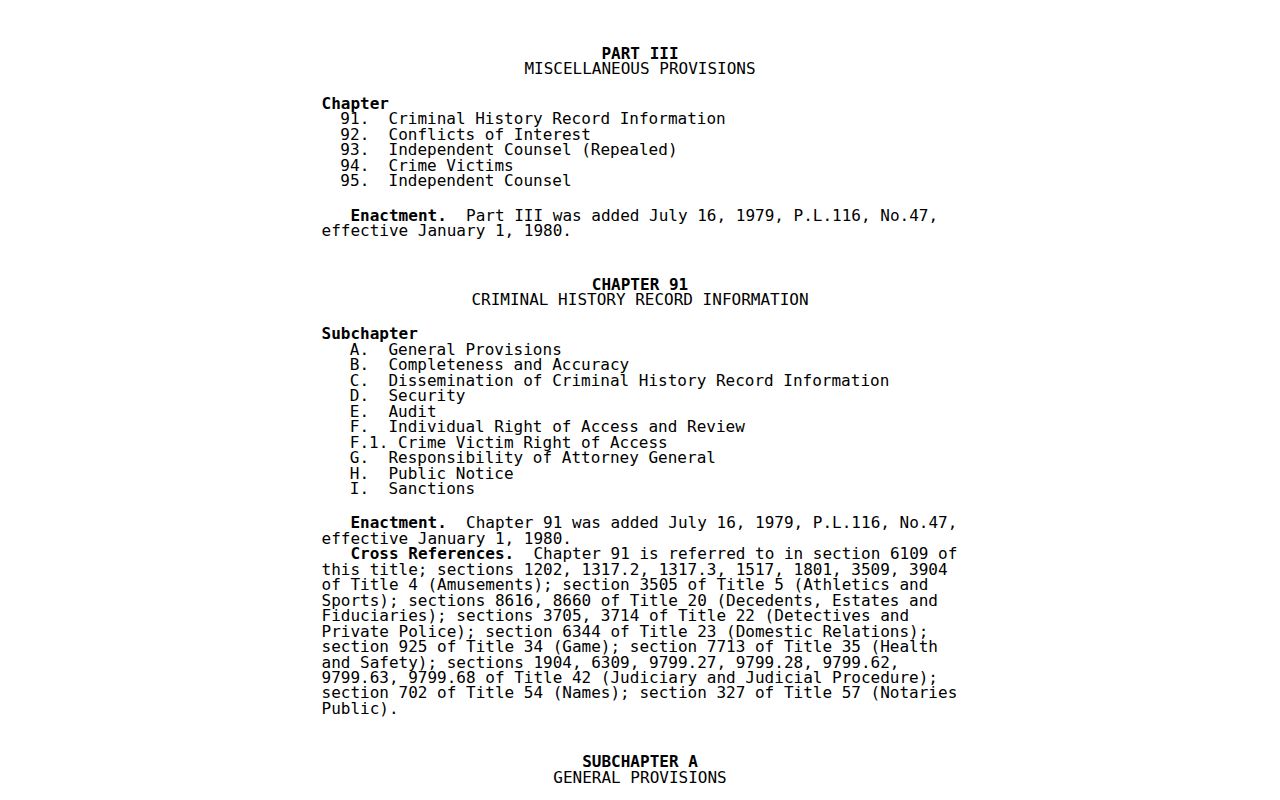
The legal framework explains why public registry access, court dockets, and repository criminal history remain distinct products.
The official Pennsylvania Crimes Code supplies the criminal-law context.
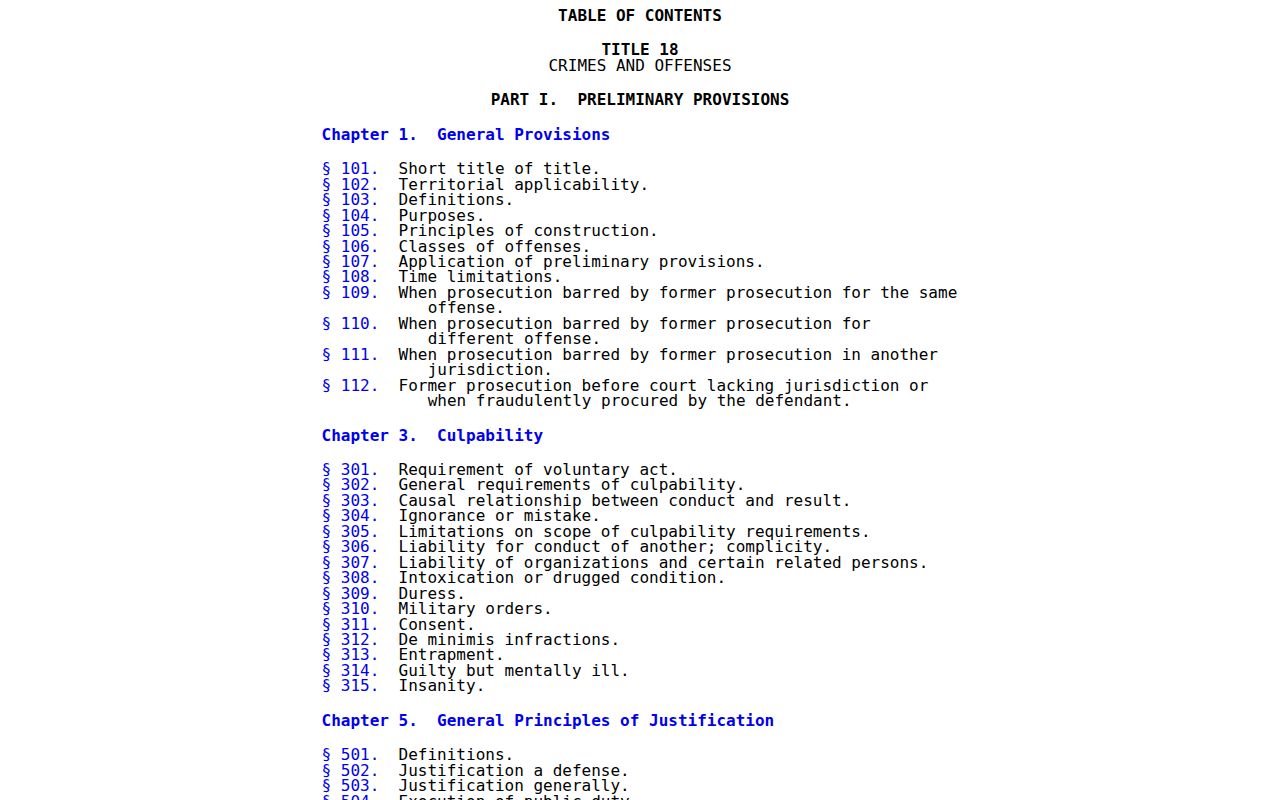
Use the exact offense and disposition shown by the originating court instead of drawing conclusions from a broad label.
Correcting Allegheny Registry Concerns
If an Allegheny County profile seems wrong, first recheck the name, aliases, address, and displayed update date. Do not approach the registrant or household. Registry help is available at 1-866-771-3170. Suspected noncompliance should go to PSP or local police through official channels. Emergencies and crimes in progress belong with 911.
PSP maintains registry data, while a court maintains the source prosecution. That division matters when the concern involves a conviction date, offense, or status. Report the precise field and preserve the profile details needed by the official office. Public shaming, interference at a listed address, or attempts to investigate in person can create danger and legal liability.
Allegheny Public Records Boundaries
Registry viewing is free. A separate Right-to-Know request may carry lawful duplication or delivery charges under the official RTKL fee schedule.
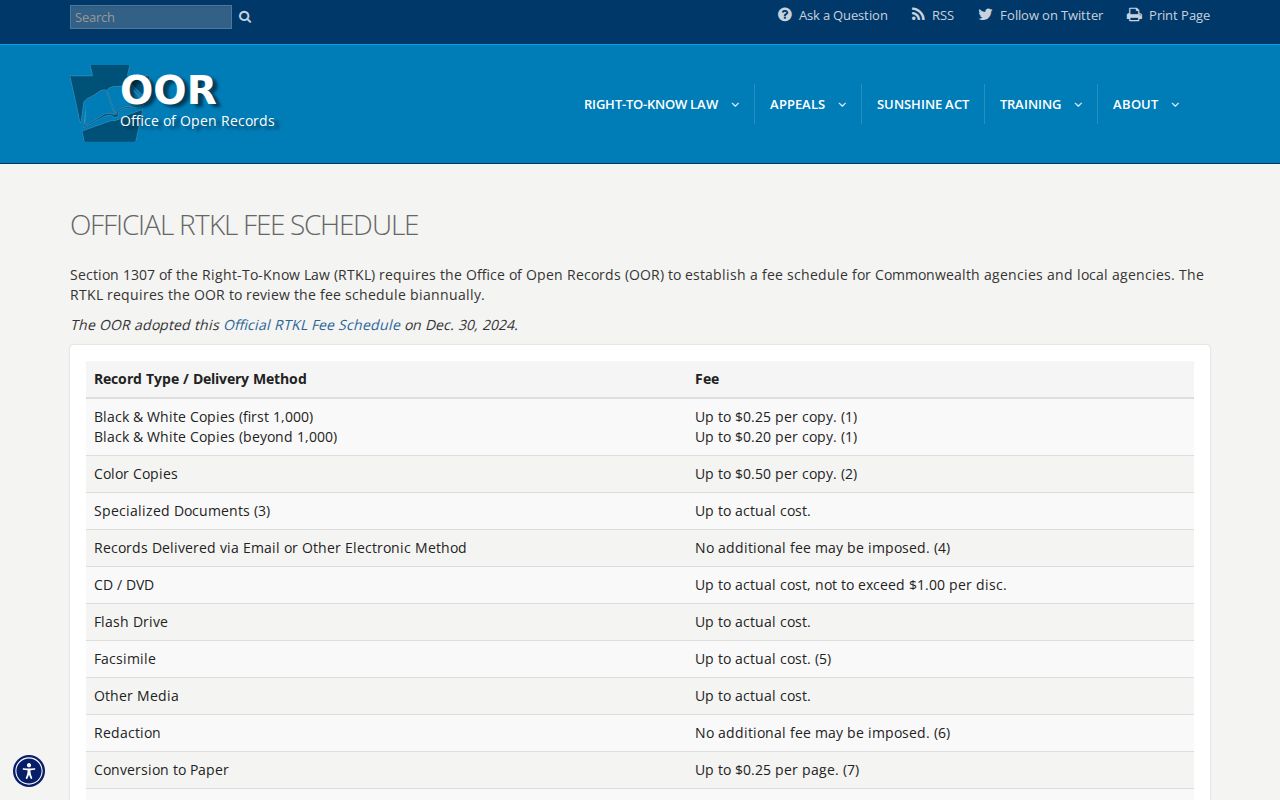
The schedule does not turn a general records request into a substitute for the dedicated registry.
Allegheny County also provides an open-records routing hub for county agencies.
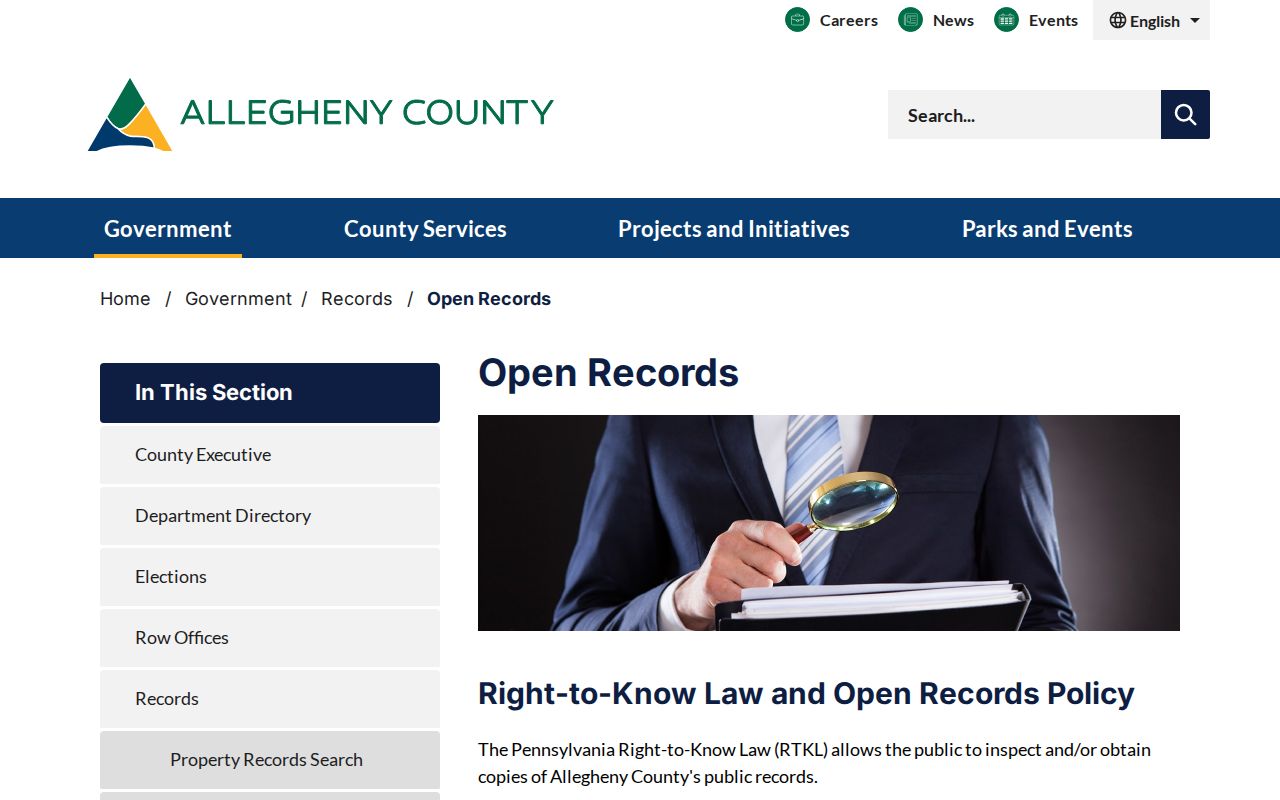
Send each request to the office that holds the original record. PSP registry questions stay with PSP, not a county open-records officer.
Lawful Use and Allegheny Notification
Registry information supports awareness and safety planning. Check official updates, discuss age-appropriate safety steps with family, and report suspected violations without confrontation. Do not use a profile to threaten, intimidate, harass, shame, or interfere with a listed person or household.
Misuse can lead to prosecution: PSP warns that threatening, intimidating, harassing, or otherwise misusing registry information may create criminal prosecution or civil liability under Pennsylvania law.
The registry is informational. It does not replace police response, a court docket, or a professional assessment. Confirm material facts with the office that created them.
Allegheny Registry Help by Phone
The Megan’s Law help line, 1-866-771-3170, is the official channel for registry questions. Call with the search mode, profile field, and update date at issue. The line does not replace 911, local police, a court clerk, or legal advice.
When a profile and docket seem inconsistent, remember that they serve different functions and may update at different times. Verify the conviction in the originating court record, then ask PSP about the public registry field. A clerk cannot directly edit PSP data, and a registry operator cannot alter a court judgment.
How Registration Duties Arise
Pennsylvania duties can arise from residence or transient status, work or vocation, or school in the Commonwealth, together with a qualifying Pennsylvania or out-of-jurisdiction offense or adjudication. The public profile reflects those statutory rules. It should not be read as a new accusation or proof of conduct after the listed case.
Movement between states makes the national layer useful, but jurisdiction records still control. Searchers should compare the Pennsylvania profile with the originating jurisdiction and court when dates or classifications differ. Update timing, aliases, and address changes can explain some gaps. Official offices should resolve the rest.
Reading Allegheny Registry Dates
Dates on a public profile serve different purposes. A conviction or adjudication date belongs to the originating case. Registration, update, and verification dates describe later registry administration. Read the label beside each date before drawing a conclusion. A recent verification date does not mean a new charge was filed, while an older conviction date does not show whether every present duty has ended.
Address changes and cross-state moves can create timing gaps between systems. Recheck the Pennsylvania profile and NSOPW rather than relying on a saved result. If a location still appears wrong, provide PSP or local police with the exact field and update date. Do not visit the address or ask a household member to explain it.
Allegheny Profile Identity Checks
A common name is not enough to identify the right person. Compare aliases, photograph, physical traits, registered municipality, offense jurisdiction, and other public identifiers. Vehicle or mark fields may help distinguish two profiles, but they should be read only as the registry presents them. Never republish a private person’s address, photograph, or offense narrative.
The registry’s victim-age category, workplace, school, vehicle, or transient fields appear only when Pennsylvania law makes them public. A blank field does not invite speculation. Use the exact public profile and the court docket for supported facts. For personal safety planning, focus on official notices and practical household steps instead of assumptions about facts the profile does not disclose.